Entropim: traceable AI enrichment, with the Digital Product Passport in sight
Our latest update puts AI to work on enrichment — without ever sacrificing traceability — and lays the groundwork for the DPP.
Read →The news that matters — Digital Product Passport, GS1, regulation — and our field notes building Entropim.

Our latest update puts AI to work on enrichment — without ever sacrificing traceability — and lays the groundwork for the DPP.
Read →
The EU switches on the Digital Product Passport infrastructure before any sector mandates. This is the real starting gun.
Read →
France's DPP ecosystem is taking shape. A standards body and a software vendor team up around the product passport.
Read →
The first truly binding DPP arrives. EV, light transport, industrial batteries > 2 kWh: a digital passport via QR code becomes mandatory.
Read →
Criteria we've seen emerge, year after year, across teams who finally pulled their catalog out of limbo.
Read →
Completion isn't a percentage — it's a question that only makes sense relative to a channel, a family, a market.
Read →
Only the working plan and preparatory texts exist. This is precisely the preparation window — worth using.
Read →
The boundary nobody explains to product teams — and that costs every industrial organization hours every month.
Read →
Fifty years after its invention, a major retailer moves to QR/2D. When the retailer moves, suppliers follow.
Read →
A GTIN becomes a URL. A single QR serves as both a web link and a machine identifier. The technical bridge between object and record.
Read →
Of the six priority groups, steel opens the run of sector DPP requirements, with compliance expected around 2028.
Read →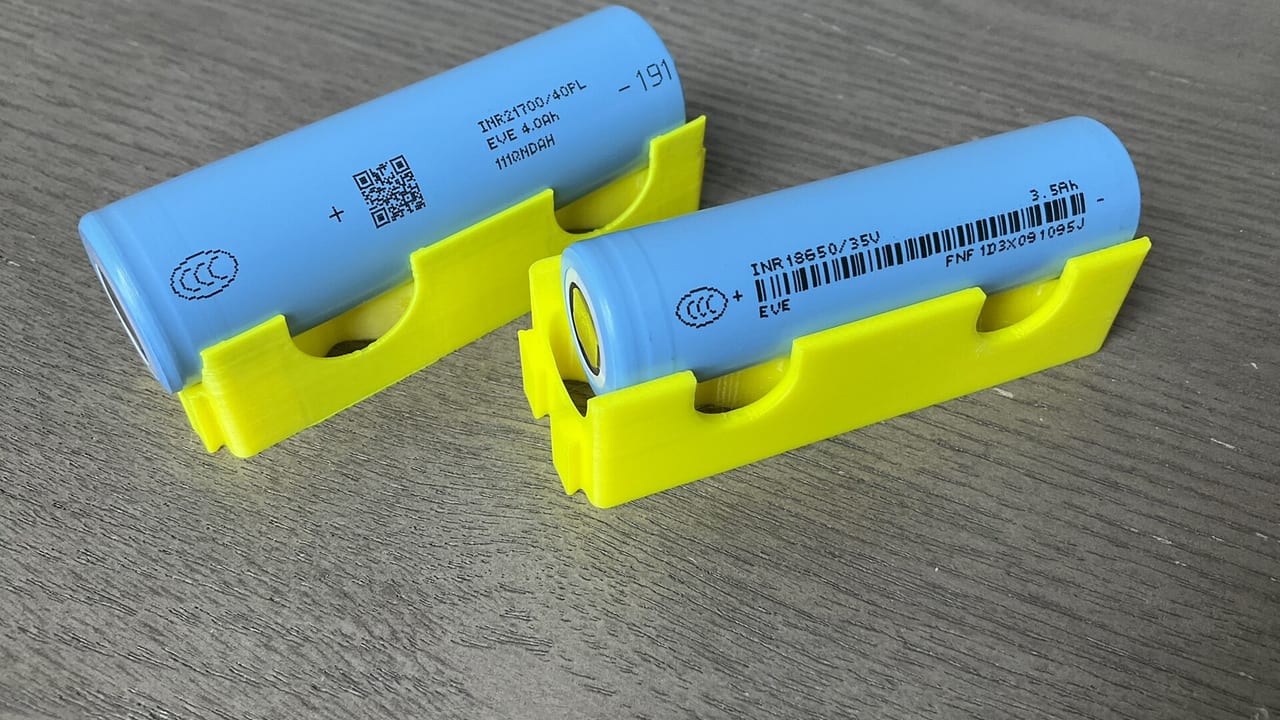
Under regulation (EU) 2023/1542, the carbon footprint declaration extends to industrial batteries — the step before the passport.
Read →
48 countries, 88% of global GDP already engaged. Brands must add 2D to packaging; checkouts must read it by the end of 2027.
Read →
Textiles, furniture, mattresses, tyres, steel, aluminium: the Commission sets the delegated-act schedule through 2029.
Read →
Transparency, traceability and regulatory compliance become drivers of PIM purchases — no longer a mere bonus.
Read →